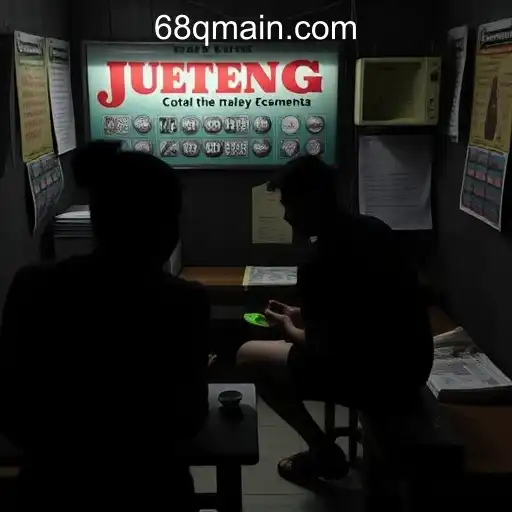
Understanding Jueteng: The Underground Numbers Game in the Philippines
Jueteng, a widely recognized lottery game in the Philippines, operates largely outside the purview of the law, making it one of the country's most notorious underground activities. Despite being illegal, jueteng persists throughout the country, particularly in rural areas. To fully understand its staying power and socio-economic implications, we need to explore its roots, operations, and the societal forces driving its continued existence.
The Origins of Jueteng
Jueteng traces its origins back to the late 19th century when it was introduced by Chinese immigrants in the Philippines. Analogous to a numbers game, jueteng has become deeply embedded in Filipino culture, especially due to its simplicity and the potential for substantial monetary rewards.
How Jueteng Works
The mechanics of jueteng are straightforward. Bets are typically placed on a two-digit number ranging from 1 to 37. Small bets are made to local collectors, known as "kubradors," who then pass these on to the local coordinator, or "cabo." Winners receive a multiplier of their original wager, offering a tantalizing prospect for quick financial gain.
This system of betting, although seemingly simple, involves a structured and hierarchical network. At the top are the financiers who fund the operations and receive a sizable portion of the profits. The cabo supervises the kubradors, who interact directly with bettors and collect bets, ensuring that the operation runs smoothly.
The Role of Technology in Jueteng
In modern times, jueteng has evolved to incorporate technology. While traditional methods of number draws still prevail, digital platforms have opened new possibilities. Players who and operators are leveraging technology to streamline operations and elude detection by authorities. Online communication tools and local "68Q cassino com saque rápido" platforms provide urban access to this rural vice.
Economic and Social Implications
Jueteng presents significant economic implications, especially in rural communities. The promise of financial windfalls entices individuals from various social strata, often providing livelihood for those without steady employment. However, this comes at a social cost, as it fosters dependency on illegal gambling as a source of income.
The money circulating within jueteng networks is substantial, often encouraging widespread corruption. There have been numerous allegations involving police and local government officials receiving protection fees, which exacerbates the difficulty of enforcement.
Impact on Society
Despite its illegal status, jueteng remains popular largely due to its cultural entrenchment and the lack of viable alternatives for entertainment or economic opportunity in some regions. The game is deeply woven into the social fabric; its intrigues span social classes, and its networks sometimes align with legitimate community initiatives, blurring the line between legality and cultural acceptability.
Government Efforts and Challenges
The Philippine government has attempted to crack down on jueteng operations through various campaigns and legislation. This has included high-profile investigations, public condemnations by national leaders, and efforts to promote legal gambling alternatives. However, these initiatives face multiple obstacles, including corruption, lack of political will, and the complexities introduced by technology.
The challenges associated with combating jueteng are compounded by its adaptability. Underground operations can quickly adjust to legal changes, shifting methodologies and networks in response. As a result, jueteng persists, illustrating the stark contrast between legislative intent and on-ground enforcement realities.
The Cultural Value of Jueteng
To understand why jueteng endures, one must appreciate its cultural significance. For many Filipinos, it isn't just a game; it's a social activity that binds communities. The act of betting and the communal experience it engenders offers an escape from daily struggles, providing hope, albeit illusory, of economic upliftment.
Given its historical roots and sociocultural impact, any effective resolution needs to consider these complexities. Top-down enforcement alone may not suffice; comprehensive solutions should address economic vulnerabilities and provide viable alternatives to illegal gambling activities like jueteng.
Looking Ahead
The persistence of jueteng in the Philippines will likely continue unless concerted efforts address both its economic appeal and cultural resonance. While online platforms like "68Q cassino com saque rápido" offer modern spins on traditional gambling, the core motivations—economic necessity and cultural engagement—remain unaddressed by legal oversight alone.